How to visualize Airtable data with Chartbrew
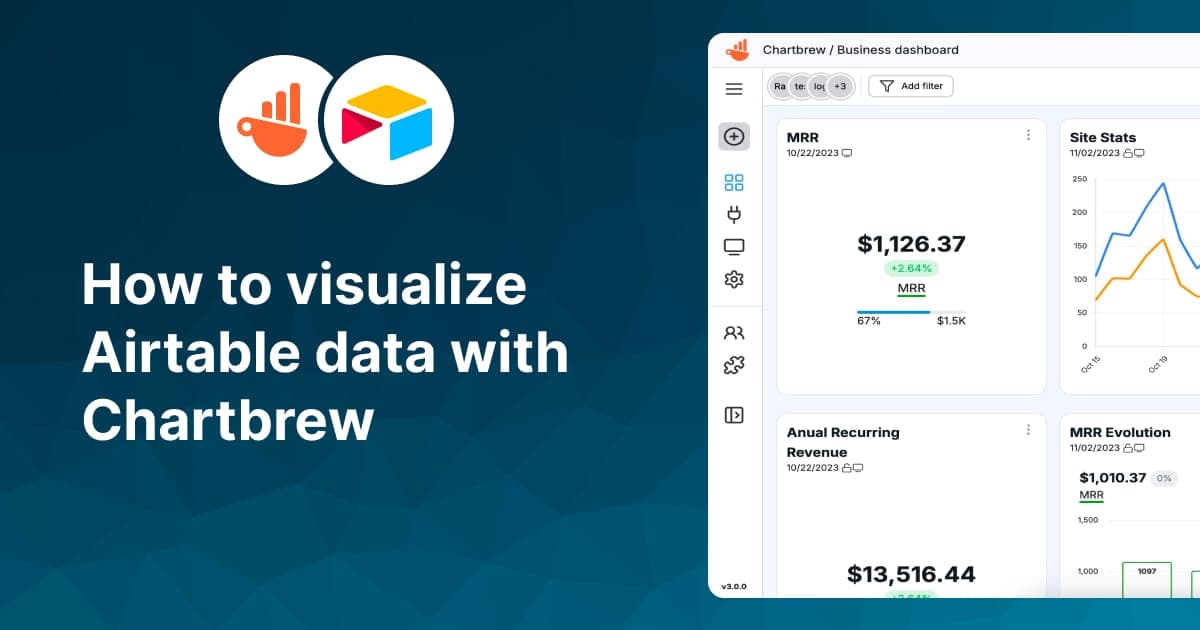
Learn how to visualize Airtable data with Chartbrew. Create KPIs and other Airtable charts using Chartbrew's extended set of features.
Learn how to connect PostgreSQL, MySQL, MongoDB, Supabase, Firestore, Stripe, GA4, and custom APIs to Chartbrew. This blog focuses on practical tutorials, dashboard walkthroughs, reporting guides, product updates, and data visualization tips for teams that need clear client-facing analytics.
Search The Archive
Search tutorials by integration, database, feature, report type, or workflow. Filter by tags to narrow the archive to tutorials, updates, or deeper product stories.
Page 4 of 4

Learn how to visualize Airtable data with Chartbrew. Create KPIs and other Airtable charts using Chartbrew's extended set of features.

Connect, query, and visualize your Firestore data with Chartbrew. A step-by-step tutorial on how you can start creating your insightful dashboard.

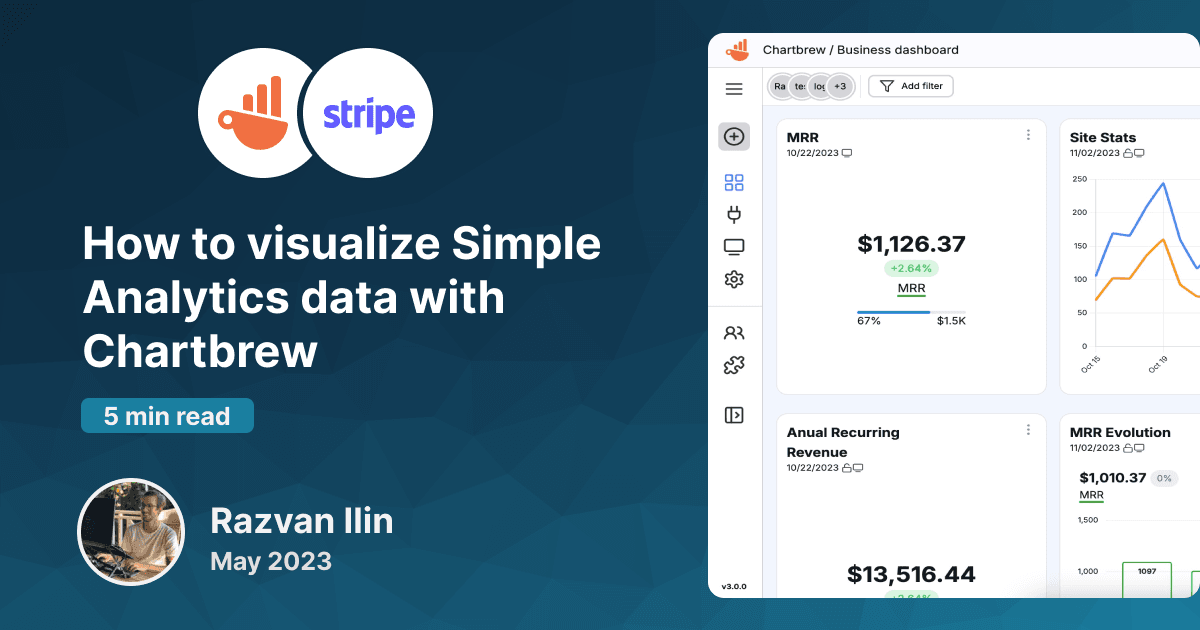
In this tutorial, we are going to connect Simple Analytics' API, get different datasets, and create a dashboard in Chartbrew to show all this data.

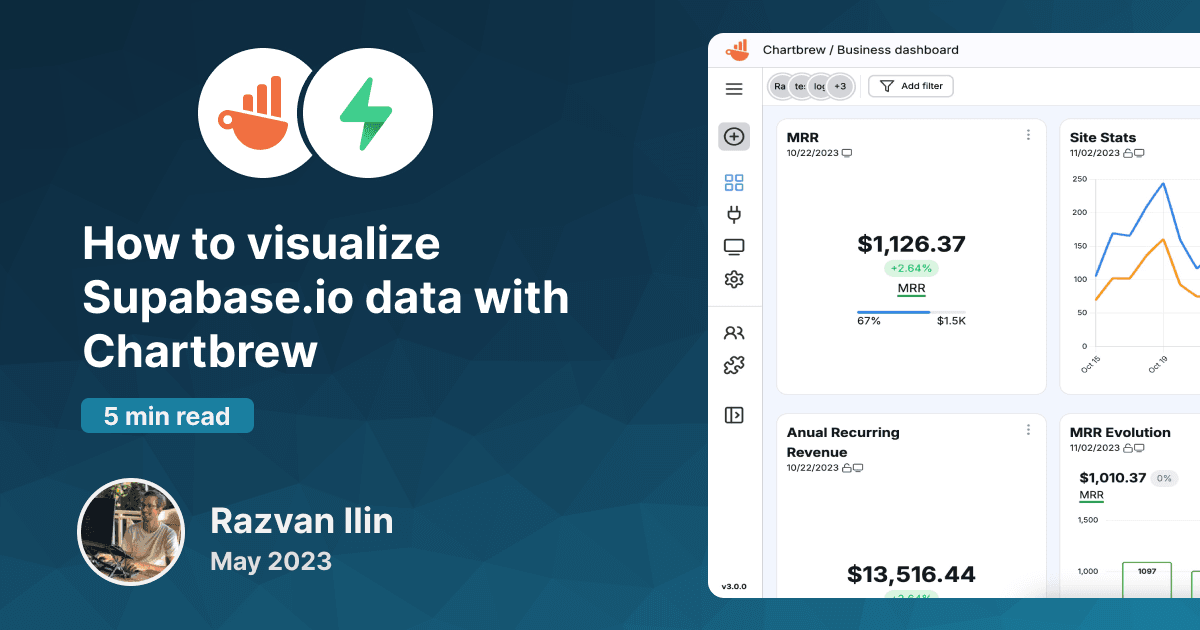
Supabase.io makes it easy to create your database. In this tutorial, we will go through visualizing this data with Chartbrew just as easily.

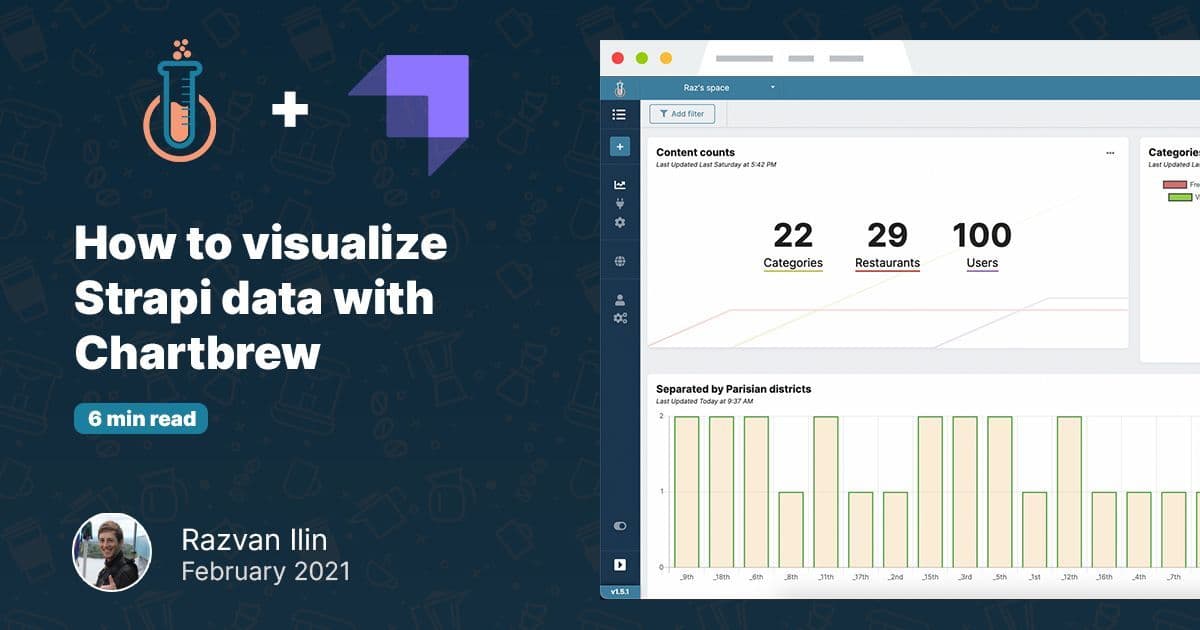
In this tutorial, we are going to learn how to visualize the data stored with Strapi. For the visualization, we are going to use Chartbrew, an open-source visualization platform.

Revenue data contains some of the most important KPIs for businesses. Chartbrew supports Stripe API connections allowing everyone to visualize their Stripe data. This post will show you how to connect to the API and what data you can pull from Stripe.

Chartbrew is an open source visualization platform where you can pull data from different sources and create insightful dashboards. With Chartbrew you can connect to your MongoDB database and create charts that tell you more about your data.

In this tutorial we are going to create a time series chart showing how many stars Chartbrew's GitHub repository accumulated in July 2020.
Empower your team and clients with dynamic, branded reporting dashboards
Already have an account? Log in